

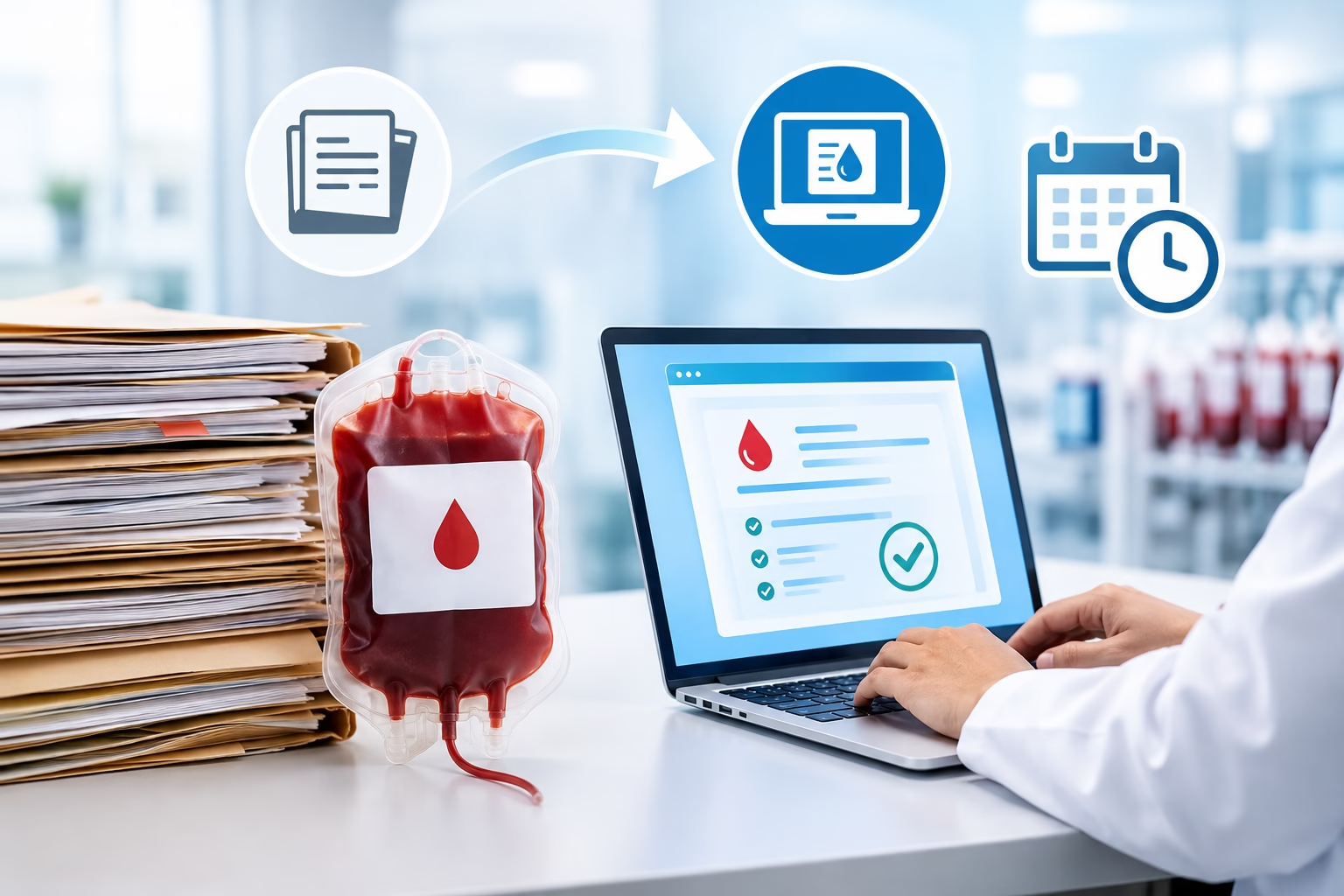
In a sweeping overhaul of India's medical regulatory infrastructure, the Central Drugs Standard Control Organization (CDSCO) has completely transitioned the blood bank licensing process to a digital-first framework, dramatically slashing bureaucratic red tape and reducing processing timelines from over a year to a strict four-month maximum.
Transforming Healthcare Logistics and Safety Standards
The modernization of blood bank licensing marks a pivotal milestone in India's healthcare administration. Historically, establishing or renewing a blood bank required navigating a labyrinth of physical documentation, manual inspections, and protracted bureaucratic file movements. These legacy procedures frequently resulted in severe administrative bottlenecks, leaving critical healthcare applications pending for twelve months or longer. Led by Drugs Controller General of India (DCGI) Dr. Rajeev Raghuvanshi, the new automated portal streamlines every phase of compliance, transforming a historically cumbersome hurdle into an efficient, transparent workflow.
Essential Regulatory Transformation Metrics:
- Previous Processing Time: 12 months or longer due to manual, paper-based verification.
- New Mandated Timeline: Maximum processing cap strictly established at 4 months.
- Expedited Approvals: Several compliant facilities are now securing full licensing in under 30 days.
- Core Technology: End-to-end electronic submission, tracking, and evaluation platform.
The Historical Burden of Paper-Based Compliance
To truly appreciate the significance of this digital pivot, one must examine the fragility of the older system. Blood banking is one of the most heavily regulated sectors in medicine due to its direct implications for transfusion safety, infectious disease prevention, and emergency trauma care. Under the old system, inspectors had to physically transport heavy dossiers between regional offices and central directorates. This lack of transparency not only delayed life-saving infrastructure from coming online but also placed an unnecessary operational strain on both healthcare providers and regulatory personnel.
Socio-Economic and Market Implications
The transition to a paperless ecosystem yields profound benefits for India's broader healthcare landscape. By eliminating physical touchpoints, the government has drastically reduced opportunities for administrative friction, fostering a predictable business environment for hospital networks, charitable trusts, and independent blood storage centers. Faster licensing translates directly to quicker access to safe blood products in semi-urban and rural districts, effectively bridging critical healthcare access gaps.
“The complete digitization of our licensing mechanisms is not merely an administrative upgrade; it is a foundational leap toward ensuring unhindered access to safe blood products across every corner of the nation.”
Clinical Observations and Industry Response
Medical professionals and hospital administrators have overwhelmingly welcomed the change. Public health advocates note that faster regulatory approval does not mean a compromise on safety standards. Instead, digitization allows regulatory bodies to utilize sophisticated automated checklists and real-time tracking, ensuring that rigorous safety audits remain uncompromising while administrative lag is pruned away.
Future Outlook for Regulatory Technology in India
As India continues to modernize its digital public infrastructure, the success of the blood bank portal serves as a blueprint for other sensitive medical sectors. Future iterations of the platform are expected to integrate advanced analytics, artificial intelligence for preliminary document screening, and IoT-enabled cold-chain monitoring integrations.
Frequently Asked Questions
What is the new maximum processing time for blood bank licenses in India?
Under the newly implemented digital licensing system, the maximum processing timeline has been reduced to four months, with many applicants receiving approvals in less than a month.
Who oversees the blood bank licensing framework in India?
The regulatory framework is overseen by the Drugs Controller General of India (DCGI) under the Central Drugs Standard Control Organization (CDSCO).
Does faster digital approval compromise safety standards?
No. The digital system eliminates administrative delays and manual file movement while maintaining rigorous compliance audits, ensuring that safety and quality standards remain uncompromised.


