

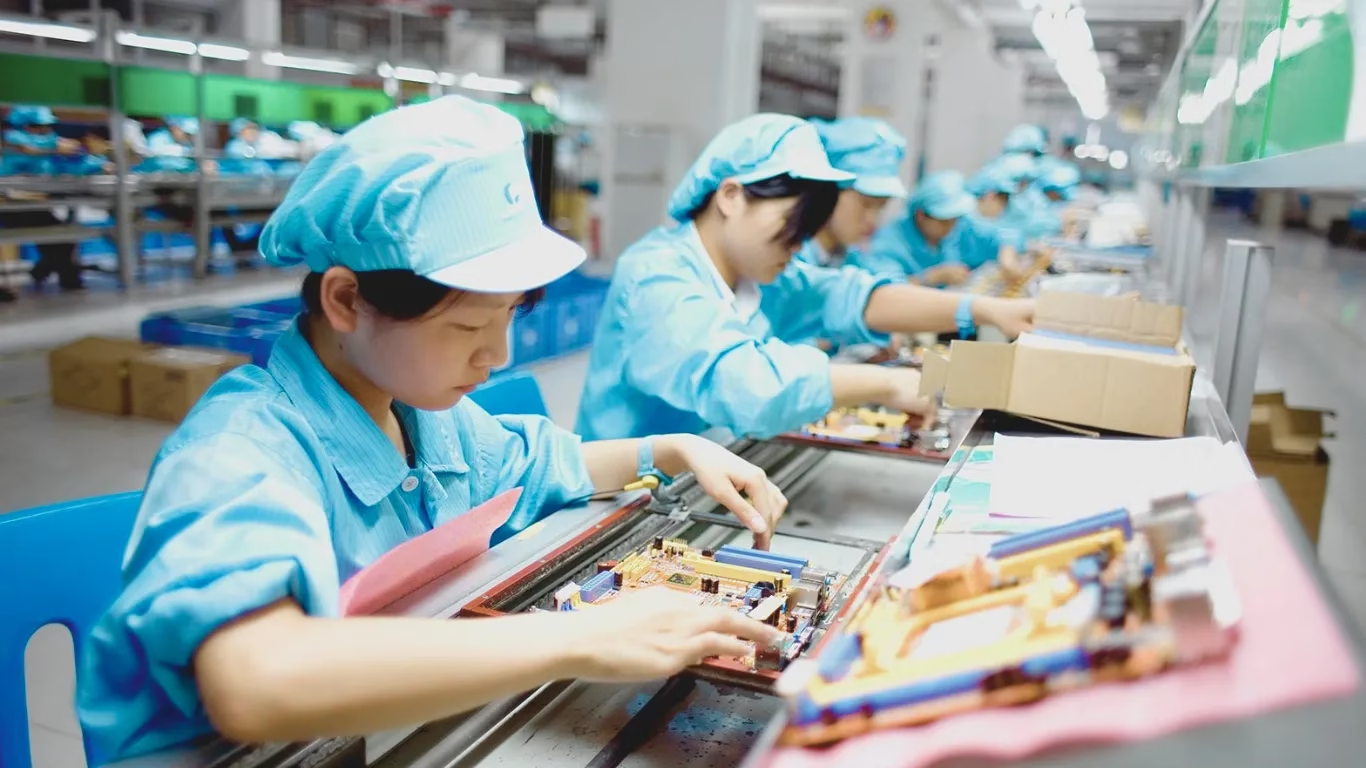
India's ambitious push toward domestic healthcare self-reliance is colliding with a severe global bottleneck: the persistent semiconductor shortage. As advanced medical diagnostics like MRI, CT, and ultrasound machines grow increasingly dependent on sophisticated computing power, skyrocketing microchip prices and extended supply chains are sending shockwaves through domestic manufacturing plants and hospital procurement departments alike.
The Anatomy of the Crisis: Escalating Costs and Strained Supply Chains
Modern medical imaging is no longer just about hardware and magnetic fields; it is driven by intense computational data processing, artificial intelligence, and deep learning algorithms. These systems rely heavily on Graphics Processing Units (GPUs), Field Programmable Gate Arrays (FPGAs), high-performance memory chips, and advanced microprocessors.
However, the global market for these critical components has tightened dramatically, driven by fierce competition from AI infrastructure developers and massive data center expansions. According to recent market analysis by Smart Analytics Global, the price of a standard 2GB LPDDR5X memory die has surged from roughly USD 6.80 in January to an astonishing USD 30—marking a staggering 341 percent increase. For Indian manufacturers trying to scale up production of high-value medical hardware, these exponential price hikes threaten viability, profitability, and market delivery timelines.
Essential Insights & Market Data Points
- Memory Die Price Surge: The price of 2GB LPDDR5X memory skyrocketed by nearly 341%, jumping from USD 6.80 to USD 30.
- GPU Workstation Inflation: An Indian MRI developer reported GPU-based workstation costs jumping from approximately ₹7 lakh to ₹13.5 lakh within a single year.
- Overall Production Impact: Cumulative manufacturing costs for domestic medical equipment makers have climbed by roughly 35%.
- Extended Delivery Timelines: Procurement waiting periods for critical computing components have blown out from under 4 weeks to nearly 16 weeks.
Vulnerabilities in Domestic Manufacturing and Hospital Procurement
India has made significant policy strides under initiatives aimed at boosting local manufacturing of high-end medical devices (Make in India). Yet, the nation remains deeply reliant on globally sourced advanced semiconductors. When international supply chains falter, domestic entities—particularly small and medium-sized MedTech enterprises—bear the brunt of the disruption.
Unlike multinational giants that leverage massive global procurement scales and multi-year supply contracts, smaller Indian manufacturers lack negotiating leverage. Extended lead times force them to lock up critical working capital in large inventories just to maintain continuity, heavily squeezing their financial margins.
Downstream, hospitals and diagnostic centers face difficult financial choices. Equipment manufacturers grappling with a 35% overall rise in input costs are increasingly forced to pass these expenses onto buyers through higher capital equipment price tags, slashed tender discounts, and rigid delivery commitments. Furthermore, ongoing maintenance and emergency upgrades for existing hospital hardware are jeopardized when replacement processing boards and computing modules become backordered.
Clinical Observations and Broader Societal Implications
Healthcare administrators and clinical engineering experts warn that prolonged procurement cycles for diagnostic machines could stall the modernization of India's healthcare infrastructure. Tier-2 and Tier-3 cities, which are currently experiencing a wave of private and public investments in advanced diagnostic capabilities, risk seeing these rollout schedules delayed.
"When hospitals must pay double for core workstation computing power or wait four months simply to source an integrated circuit board, the entire timeline of patient care accessibility slows down," notes an industry advisory expert. "Healthcare affordability is inextricably linked to supply chain resilience."
Future Outlook and Strategic Imperatives
Overcoming this persistent chip crisis requires a two-pronged strategy. Over the short term, medical device manufacturers must diversify their supplier networks, adopt agile inventory forecasting, and invest in modular hardware architecture that allows for alternative component substitutions without requiring complete system redesigns.
Over the long term, India's broader ambition to establish local semiconductor fabrication facilities (fabs) and specialized outsourced semiconductor assembly and test (OSAT) units must accelerate. Securing a domestic semiconductor ecosystem is no longer merely a matter of consumer electronics convenience—it is a critical pillar of national health security.
Frequently Asked Questions
Why are medical equipment manufacturers competing with AI data centers for chips?
Modern diagnostic machines like MRI, CT, and advanced ultrasound scanners require powerful Graphics Processing Units (GPUs) and high-speed memory chips (such as LPDDR5X) to process massive datasets in real time and power AI-driven imaging analysis. These exact same semiconductor components are heavily sought after by tech giants building massive AI infrastructure and cloud data centers, creating a fierce global supply competition.
How will this semiconductor shortage impact patients and hospital costs?
As equipment manufacturers pass down higher component and manufacturing expenses, hospitals and diagnostic chains will face increased capital expenditure requirements. This financial strain can translate into higher out-of-pocket costs for advanced scans, delayed installations of new diagnostic units in regional clinics, and prolonged maintenance downtime for aging hospital equipment.


